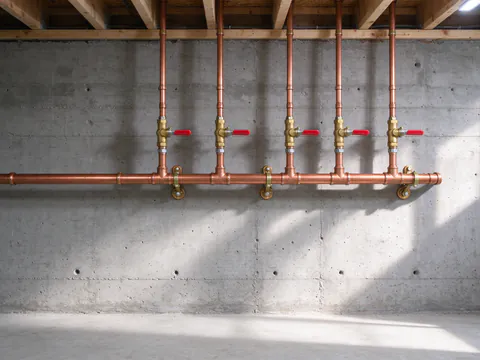
Park Ridge’s municipal code names the plastics a repipe here cannot use. Section 15-6-2 says water distribution piping may not be installed using chlorinated polyvinyl chloride (CPVC), cross-linked polyethylene (PEX) or polybutylene, and the next clause says Type L copper shall be used for water distribution above ground.
That text comes from a city-hosted copy of Article 15 dated 2015, so repiping in Park Ridge, IL is planned as copper with the current rule confirmed for each address before work starts. Chicago Lake Repiping offers and manages copper repiping, galvanized pipe replacement and main shutoff replacement in Park Ridge, with the work done by licensed and insured plumbing contractors registered with the City.
What section 15-6-2 says
Park Ridge adopts the Illinois State Plumbing Code, the 2014 edition and future revisions, by reference in Article 15, Chapter 6 of its Municipal Code. Section 15-6-2, Plumbing Materials, Use and Restrictions, then narrows the state’s list. Its clause C bars CPVC, PEX and polybutylene for water distribution piping. Clause D says Type L copper shall be used for water distribution above ground only, and clause F lets Type K be used above or below ground. Section 15-6-3 adds that the water supply pipe from the main to the building is copper or brass, with other materials prohibited unless the Building Official approves an alternative, and sets a minimum 1-inch water service from the curb.
The difference from the state table is the point. A few miles east, Skokie enforces the state code without local amendments, and there PEX is a code-legal choice. In Park Ridge the local section governs, so a quote that offers PEX for a Park Ridge address is a quote to question. The same is true inside Chicago, as the guide to PEX in Chicago explains, though for a different code.
Post-war houses and the pipe inside them
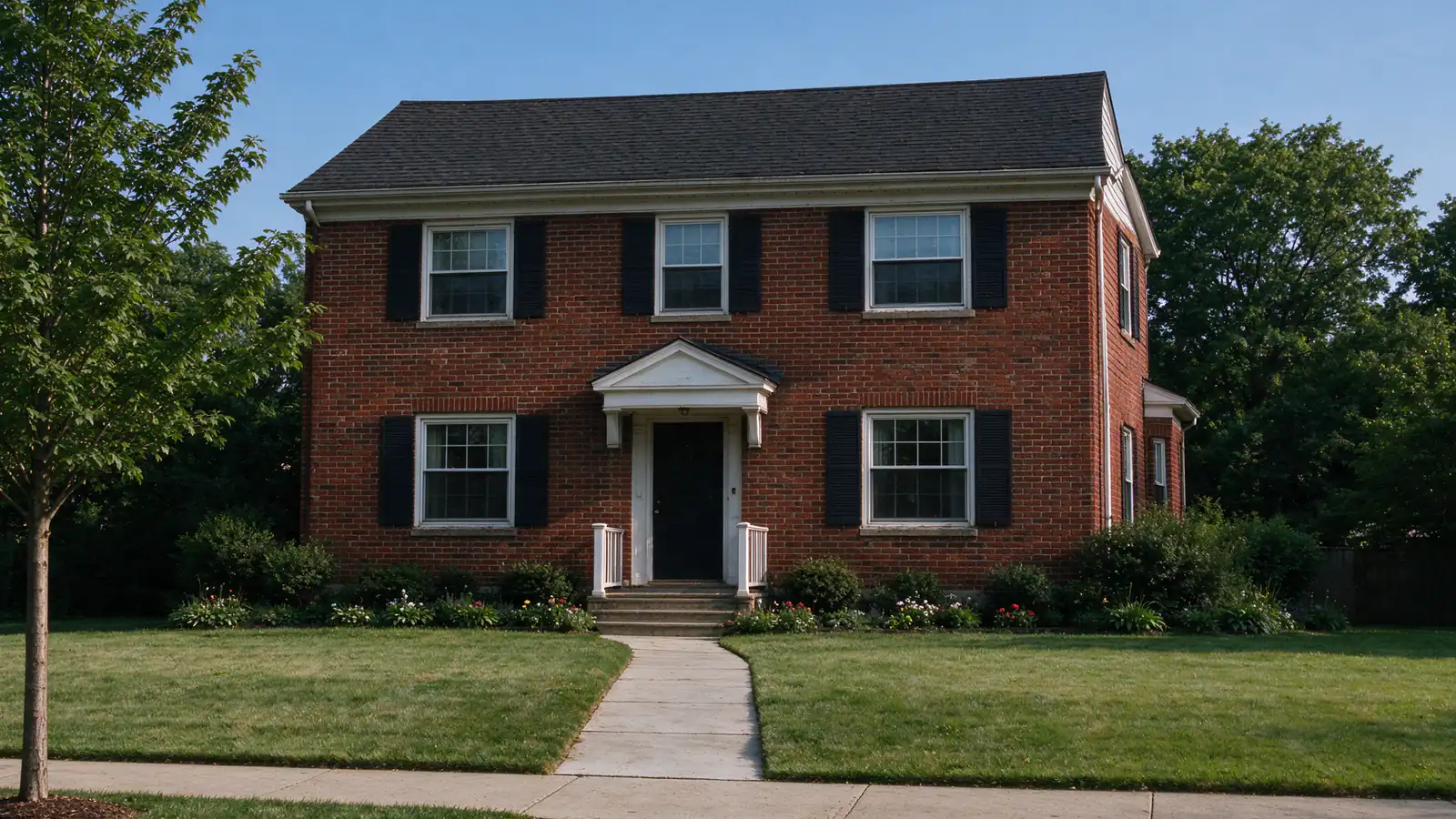
Park Ridge is a city of owner-occupied single-family houses. Census Bureau survey figures compiled by the Chicago Metropolitan Agency for Planning put 71.0% of its 15,573 housing units in detached single-family homes, with 84.8% owner-occupied. Half, 49.9%, were built from 1940 to 1969, 16.2% before 1940, and the median year built is 1960.
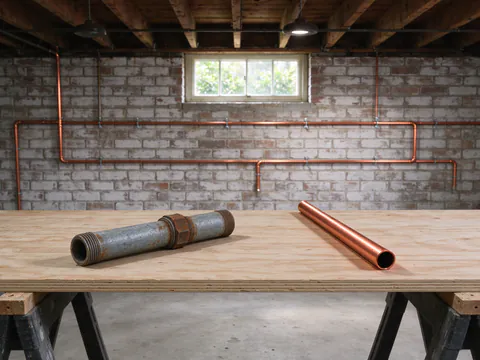
Houses from those decades span the change in supply pipe: steel in one house, copper in the next, and in either, a later remodel may have spliced in something else, plastic included. Galvanized steel corrodes from the inside until the bore narrows and flow fades at the furthest fixtures. Copper from the same years may be sound. The guide to identifying your water pipes shows how to tell at the meter. Where a past repair used polybutylene or CPVC, that pipe falls on the City’s barred list, and a repipe replaces it with copper. None of this is a finding about a particular house; the basement shows what is there.
Why a copper-only code changes the quote
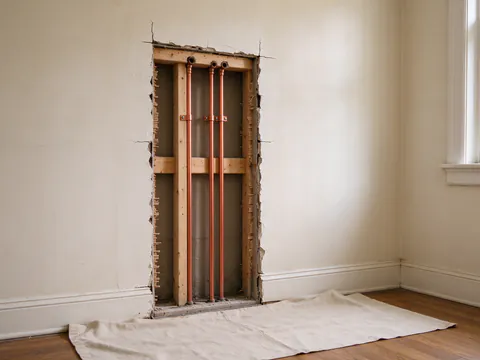
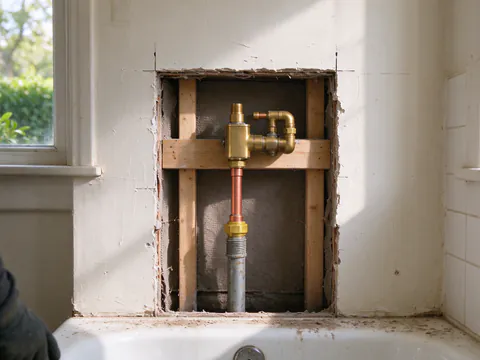
Copper is rigid, so every change of direction is a fitting and every fitting inside a finished wall needs an opening. In a house with a finished basement or new drywall upstairs, that sets the number of openings more than the length of pipe does, and the quote should list each one and who closes it. How the copper is joined, soldered or pressed, is part of the written scope and is checked against the code for the address. Copper costs more per foot than PEX, and in Park Ridge that cost is part of every repipe rather than a choice. The repiping cost guide shows what else sits inside the price.
A whole-house repipe replaces every supply line; a partial repipe replaces what has failed and leaves the rest, which the quote must name.
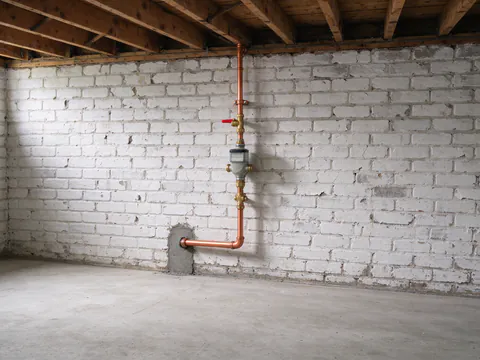
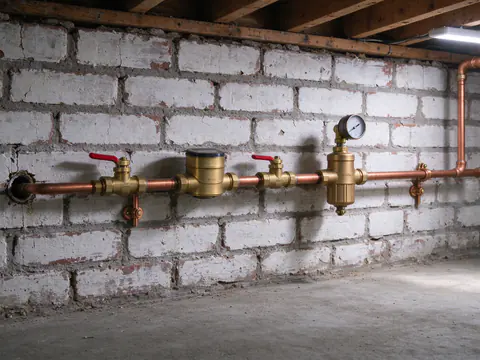
The new copper starts at the meter and main shutoff. If the shutoff is an old valve that no longer closes fully, replacing it first gives the house a working isolation point for the cutover and for every repair after it. A pressure-reducing valve belongs in the scope only where the static pressure reading calls for one, and the reading at the hose bibb on the first visit is what decides it.
Pricing a copper repipe in Park Ridge?
Start with a walk-through from the meter and main shutoff, and a list of every opening.
Permits and contractor registration
Article 15 requires a permit for all plumbing installations or alterations, and the City’s permit guidance lists the addition, alteration, replacement or relocation of water supply piping among the work that needs one. Permits are filed with the Building Division of Community Preservation & Development through the City’s Civic Access portal, and a certificate of inspection is required before the new piping is put into use. The permit fee is set by the City and confirmed at filing.
Before a permit is issued, the contractor registers with the City. For plumbing, the registration calls for the Illinois Department of Public Health plumbing contractor registration and a plumber’s license, along with insurance.
Chicago water and the service line
Park Ridge’s water utility buys treated Lake Michigan water from the City of Chicago, so the water carries Chicago’s corrosion control. The City is inventorying service line materials and has notified residents whose lines are lead, and it states that all lead services in Park Ridge are required to be replaced by 2044. Illinois has required full replacement of a lead line, public and private sides, since January 2023. The service line is a separate job from the pipes inside, and where both are due, repiping after lead service line replacement explains how to sequence them.
From the first visit to inspection in Park Ridge
A Park Ridge walk-through notes the service line where it comes through the foundation, then works outward from the meter and main shutoff. Two readings shape the plan: static pressure, taken at a hose bibb, and the flow at the lowest fixture set against the highest. A failing shutoff, a narrow service or a worn fixture cartridge can each pass for corroded pipe, and those readings help sort one from another.
On the job, drywall or plaster comes out in clean rectangles only at the fittings and turns the copper needs, with tiled walls reached from behind where there is access. The copper is pressure tested while the walls are still open, ahead of the City’s inspection. After cutover the lines are flushed, aerator screens cleaned and shutoffs labeled. The quote spells out each opening and who repairs it, any old pipe left behind, the working days and when the water will be off, which is only during cutovers.