Chicago Lake Repiping replaces the water supply piping in Chicago houses, two-flats and small multi-unit buildings, and in nearby Cook County suburbs. A whole-house repipe takes every hot and cold line out of service from the main shutoff to the fixtures and replaces it in the material the local code lists. Inside the City of Chicago, that material is copper. The work is done by licensed and insured plumbing contractors, and the job is planned around the walls, the people living in the building and the permit.
The reason for doing all of it at once is practical. Galvanized steel supply pipe corrodes from the inside along its whole length, so a leak or a slow upstairs shower in one spot says something about the rest. Replacing one section at a time keeps old pipe in service next to new, with more cutovers and more openings over the years. If only one bathroom or one riser is the problem, a partial repipe can be the better scope, and the Chicago repipe cost guide shows how the two compare on price.
What happens on the first visit
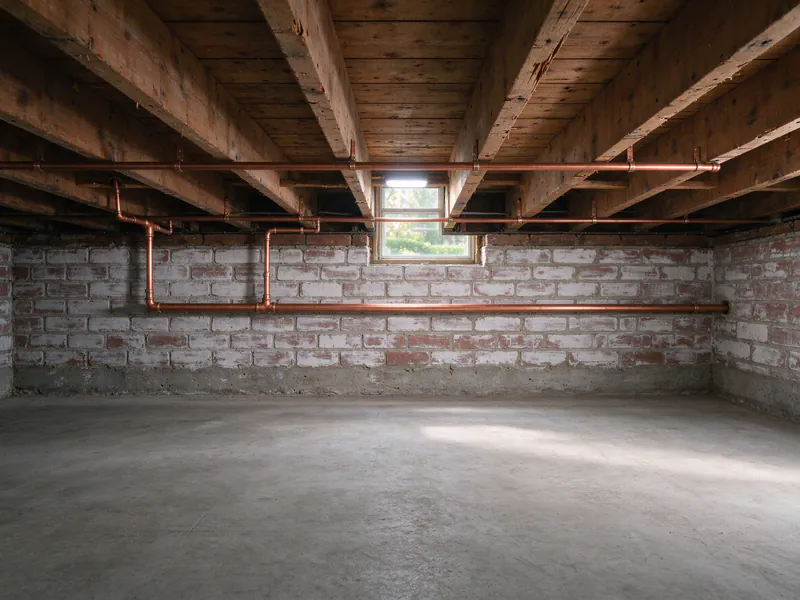
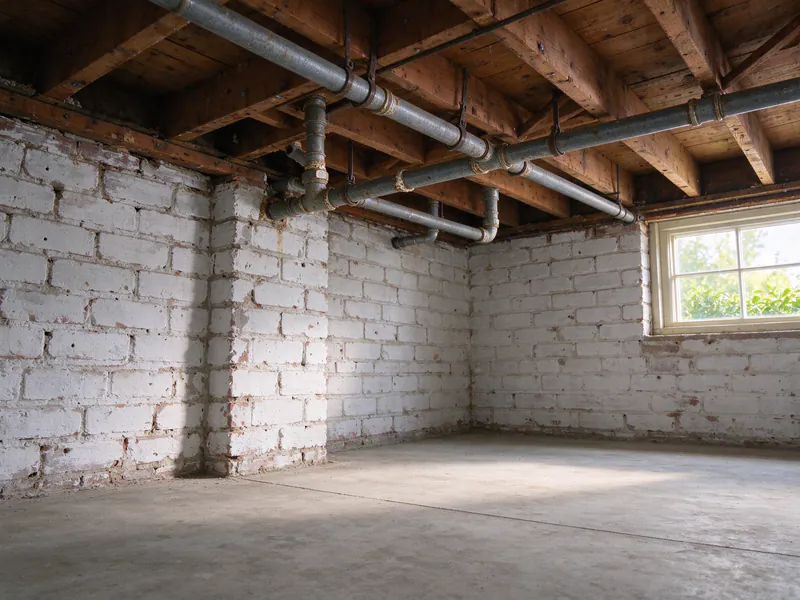
The first visit follows the water from where it enters the building. It starts at the meter and the main shutoff in the basement, where the service line comes through the wall. Whoever walks the house notes what the service line is made of, because a lead or galvanized service line can be the real bottleneck for pressure and is a separate project (see lead service line replacement).
From there the walk-through traces the main to the water heater and up each riser: what the pipe is on every floor, where earlier repairs already changed it to copper, and how many fixtures each branch feeds. It looks for the routes the new pipe can take: open basement joists, closets stacked above one another, pipe chases, the back of a kitchen cabinet. It notes where plaster, tile or built-ins would have to open.
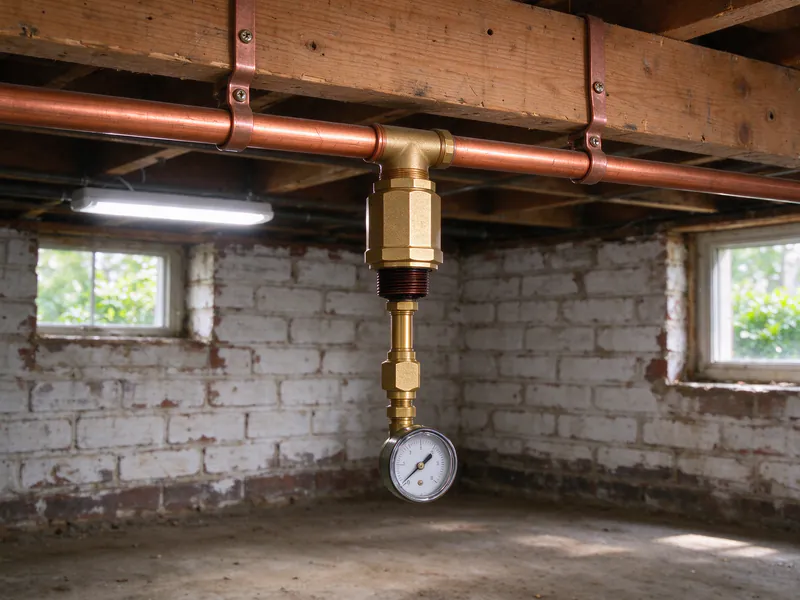
Static pressure is read at a hose bibb or test point, and flow is compared at the lowest and highest fixtures with two taps running. Those numbers separate a building where old pipe chokes the flow from one where street pressure, a half-closed valve or a failing pressure-reducing valve is the cause. The visit ends with what the repipe would include, where the walls would open and what would stay as it is. Drains, vents and the sewer are separate systems and stay out of a supply repipe unless the quote names them; the guide to whether repiping includes drains shows where the line falls.
Why old supply piping gives out
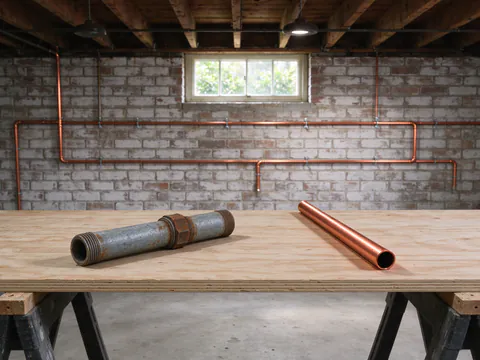
Chicago’s housing is old: 38.8% of its units were built before 1940, by the Census Bureau’s American Community Survey. Galvanized steel shows up in the City’s own permit records too, where 109 permits issued since 2019 describe replacing galvanized water piping with copper. Where a building still has steel supply pipe, the zinc coating wears through from the inside and the steel beneath it rusts. Rust and scale build up on the pipe wall, so the bore narrows year by year while the outside can still look sound. The first sign is flow, not a leak: the second-floor shower fades when the kitchen tap opens, or the first draw after a weekend away comes out brown. The hot side can show it first because warm water speeds corrosion.
Threaded joints are the weak point. The threads cut away part of the pipe wall, so the joints rust through before the straight runs do. Homeowners report that plumbers are reluctant to repair or warranty small fixes on galvanized, because turning one fitting can crack the next. That is one reason a corroded joint in a ceiling turns into a broader conversation about the piping.
Copper is not immune. Pinhole leaks in copper have more than one cause, including water chemistry, high velocity and the way the original joints were made, and a copper pinhole leak guide covers how to read them. Chicago treats its Lake Michigan water with corrosion control that coats pipe interiors, which works in copper’s favor, but it does not make every copper system last forever.
None of these symptoms proves the cause on its own. Low pressure can come from the pipe, the service line, the meter valve, a pressure-reducing valve or the fixture itself. That is why the low-pressure guide for older Chicago houses starts at the street, and why a repipe is never sold as a guaranteed pressure fix. When the question comes from a home inspection during a sale, the guide to whether repiping is worth it when buying or selling covers how to read that note and price the options.
When a leak has already caused water damage
Supply pipe is under pressure around the clock, so a drip inside a wall keeps going whether anyone is running water or not. The signs can turn up some distance from the pipe: a brown ring on the ceiling below a bathroom, paint that bubbles, a baseboard that swells, a closet that smells musty. A water meter that keeps turning with every fixture closed points to a leak somewhere on the supply side.
Stopping the water comes first, which is why it pays to know that the main shutoff turns before anything leaks; the main shutoff replacement page covers valves that have seized. Drying out wet framing and repairing plaster is separate from the plumbing, and a quote should say which openings the plumbing contractor closes.
One leak does not prove the rest of the system is about to fail. It does expose the pipe at that spot, and the cut section shows its inside wall. Where it shows heavy scale or a thinned thread, the question moves from one repair to a partial repipe or the whole house, and the first visit sorts out which.
Copper inside Chicago, and what changes in the suburbs
The Chicago Plumbing Code’s table of water distribution materials, Table 18-29-605.5, lists copper and copper-alloy pipe and tube, brass and galvanized steel. It has no entry for PEX. CPVC and polypropylene appear only for secondary water in process applications, not for drinking water. So a whole-house repipe inside the city is a copper repipe, in Type L or Type M tube above ground depending on the design, and Type K for any buried service.
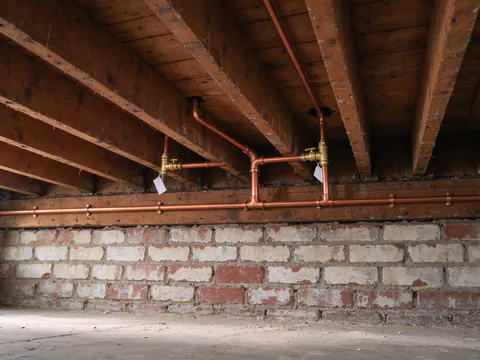
Since the City’s 2021 code amendments, copper can be joined with lead-free solder and flux, brazing, press-connect fittings pressed with a tool the fitting maker certifies, or listed push-fit fittings. Press fittings avoid an open flame inside a finished wall, which matters wherever old, dry framing sits behind the plaster. Every pipe, fitting and valve that carries drinking water must meet NSF 372, with a weighted average lead content of 0.25% or less. Where new copper meets galvanized pipe that is staying, the code calls for a brass converter or dielectric fitting so the two metals do not corrode each other at the joint.
The suburbs set their own rules. Oak Park adopts the Illinois Plumbing Code, which lists PEX for water distribution, so an owner there chooses between PEX and copper on price, routing and access; see PEX repiping in the suburbs and the Oak Park page. Evanston’s amended code lists copper for new water distribution, with Type L as the minimum above grade, and Park Ridge requires Type L copper above ground. The material on a quote follows the code for the address, and the guide to PEX in Chicago explains why plumbers in the city decline it.
What modernizing the supply system means
Modernizing a water supply system means more than laying new pipe along the old path. A repipe is the point where the valves, the layout and the pressure controls can be matched to how the building is used now.
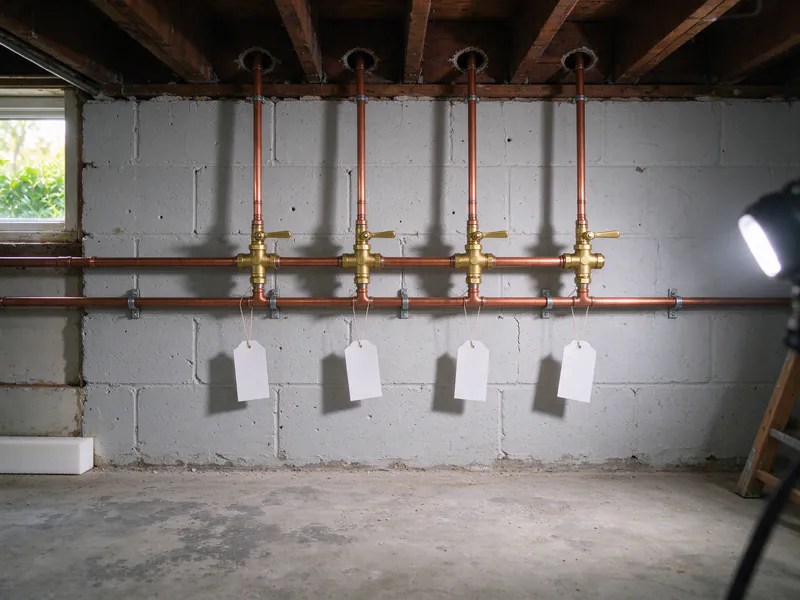
- Shutoffs. A main shutoff that works, plus valves where the new piping meets each fixture group, so one bathroom can be closed off while the rest of the house keeps running. Each shutoff is labeled.
- Layout. Branches can be resized or rerouted for a bathroom added later or a kitchen that moved. Inside Chicago, in-kind replacement goes through the Express Permit; changing the layout sends the job to plan review, which starts with a $600 non-refundable deposit.
- Pressure control. Where static pressure is above 80 psi, the updated code calls for a pressure-reducing valve on permit applications from December 1, 2026. The Chicago water pressure and PRV guide explains how that reading is taken.
None of this guarantees stronger flow upstairs. The service line, street pressure and the fixtures still set limits, so the first visit measures before anyone describes the result.
Getting new pipe to every fixture
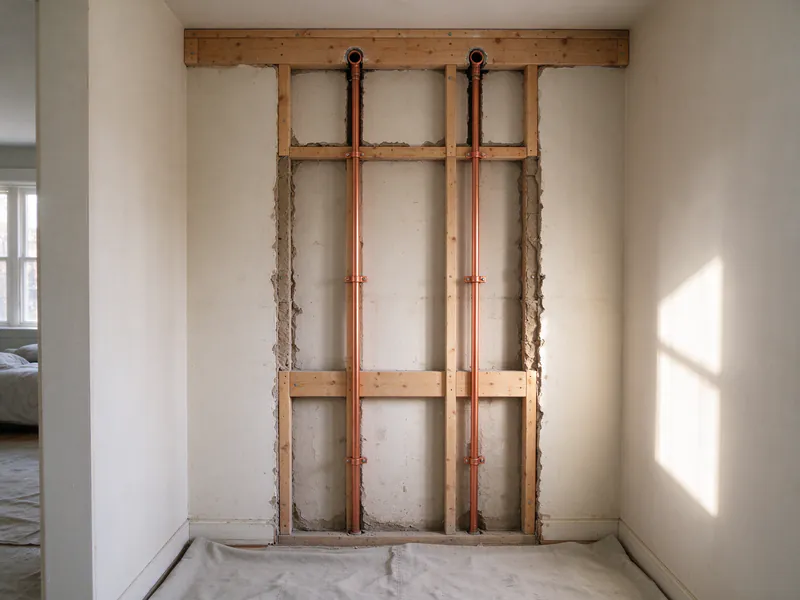
Homeowners report that wall and plaster repair is their biggest worry, and that some quotes leave out wall cutting and patching altogether. A repipe cannot be done without openings: the new pipe has to reach every fixture, and the old pipe sits inside finished walls. What changes from one building to the next is how many openings there are and where.
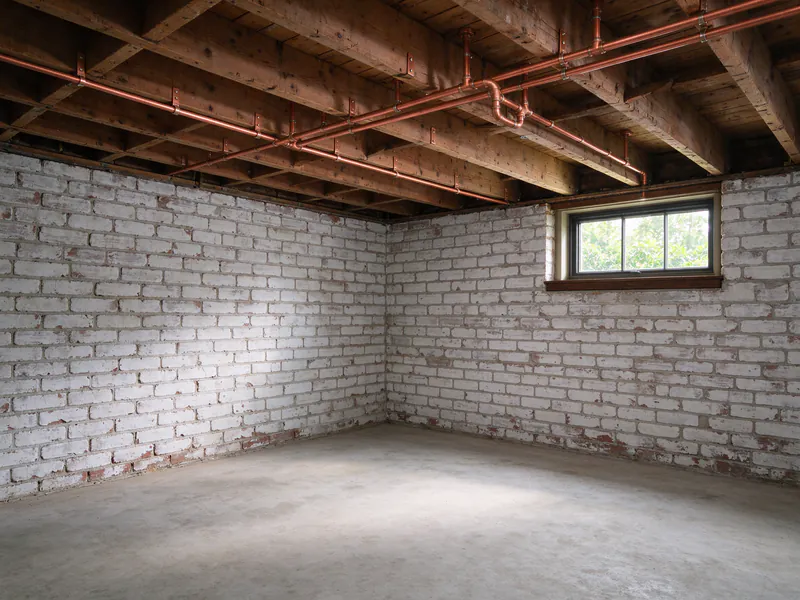
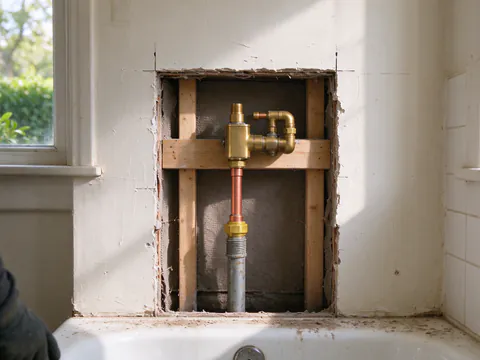
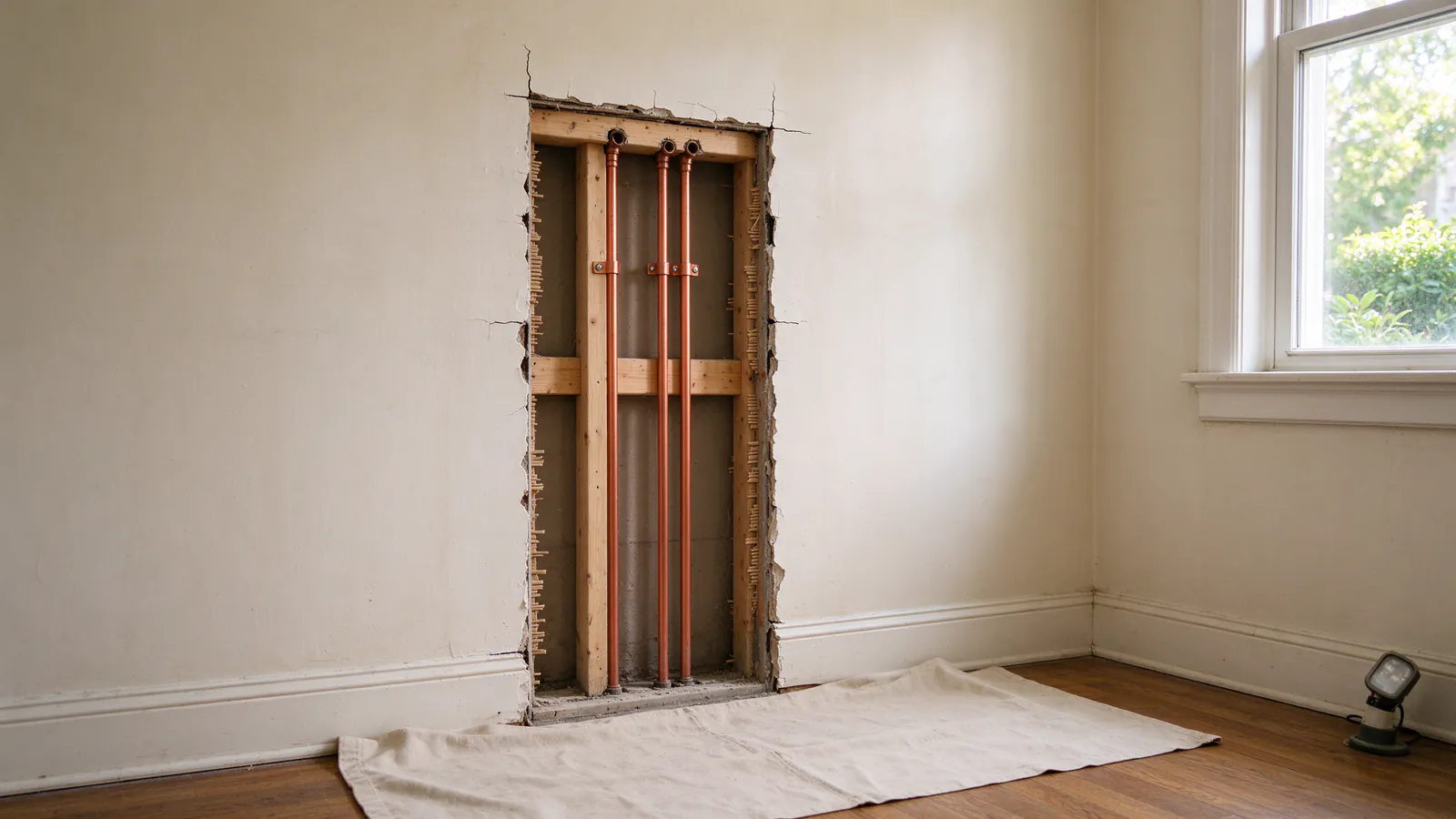
Basements with open joists take the main and the trunks. Stacked closets, pipe chases and the space behind kitchen cabinets can carry risers between floors. Plaster on wood lath is cut in clean rectangles at the points where a fitting or a turn has to be made, rather than opened along the whole run. Tile walls are the hardest case, and the plan tries to reach a shower valve from the back side, through a closet or the room next door. The plaster walls guide goes further into how openings are planned and closed.
The quote should list the openings, say who closes them and say whether paint is included. Old pipe that cannot be pulled out without more demolition is cut, capped and abandoned in place, and the quote should say where.
Crawlspaces, attics and freeze exposure
Winter decides some of the routing. By NOAA’s 1991 to 2020 climate normals, Chicago O’Hare averages 121.3 days a year with a low at or below 32°F and 43.4 days that never rise above freezing. Chicago’s plumbing code says new concealed water pipe, and any pipe exposed to low temperatures, shall be protected from freezing. Copper or PEX, the material does not change that; the winter pipes article covers the older lines.
Where a house has a crawlspace
Where a house has a crawlspace, under a rear addition, an enclosed porch or a room built off the back, the line to that part of the house can cross space that is not heated. Whether a crawlspace stays above freezing depends on how it is closed in and insulated, not on how warm the rest of the house feels. A repipe can bring that branch up from the basement side and along an interior wall instead of across the cold floor. Where the pipe has to cross the crawlspace, it is insulated and kept against the warm floor above, away from outside walls. A low or tight crawlspace also takes longer to work in, and that shows in the labor on a quote.
Pipe runs in an attic
A finished attic with a bathroom needs a riser and branches above the top floor. The exposure is in the parts of the attic outside the heated rooms: knee-wall spaces, unfinished floor sections and anything above the ceiling insulation, where the pipe gets outdoor cold instead of the house’s heat. The better routes keep new lines inside the heated rooms, up a stacked closet or an interior partition, and below the insulation where they cross a ceiling. Where a run has to pass a knee wall, it stays on the room side and is insulated. Reaching a knee-wall space or lifting attic flooring belongs on the quote’s list of openings, and a spot that froze in a past winter is worth pointing out on the first visit.
Pressure testing, flushing and the inspection
Before any wall or ceiling closes, the new piping is pressure tested with the fixtures isolated, so a weak joint shows on a gauge rather than behind new plaster. After the cutover, the lines are flushed to clear debris from the work, and the aerators and fixture screens are cleaned, because scale knocked loose from old valves can travel to the first faucet downstream.
Replacing existing piping in a Chicago building goes through the Department of Buildings’ Express Permit Program when the work does not alter or extend the system: $150 per dwelling unit, $150 more per unit when risers are replaced and $75 when a water heater is replaced. The permit names the Chicago-licensed contractor who does the work, and a City inspector checks it. Work on the water meter or the service line needs a separate water permit. The Chicago repiping permit guide covers what the application asks for and what happens when work starts without a permit.
Want to know what your building's repipe would include?
A walk-through from the meter shows the pipe on every floor, the routes and the openings.
Living in the house during the work
Water is off while each section is cut over from old pipe to new, and the rest of the time the house can keep running on whatever piping is still connected. The quote should give the shutoff windows in advance. In a two-flat, one basement main can feed both units, so the cutover has to be planned for both households at once; the two-flat repiping page covers that staging, and in Austin, on the West Side, 46.8% of housing units sit in buildings of two to four units. In a condo building, riser shutoffs reach every unit on the stack, and the association plans them with the contractor. The guide to living through a repipe lists what to ask about dust, access and water-off time.
What the City’s lead programs pay for
Chicago’s lead service line programs bring a new copper line from the water main into the building. They do not pay for the piping inside. The City’s Breaks and Leaks program, for example, excludes interior piping more than two feet from where the service enters the house. No City, state or federal program was found that pays toward an interior repipe. Planning the two together still pays off: the new service line decides where the main shutoff sits and what the new copper connects to. Lead service line replacement explains how the City’s programs and the interior work fit together.