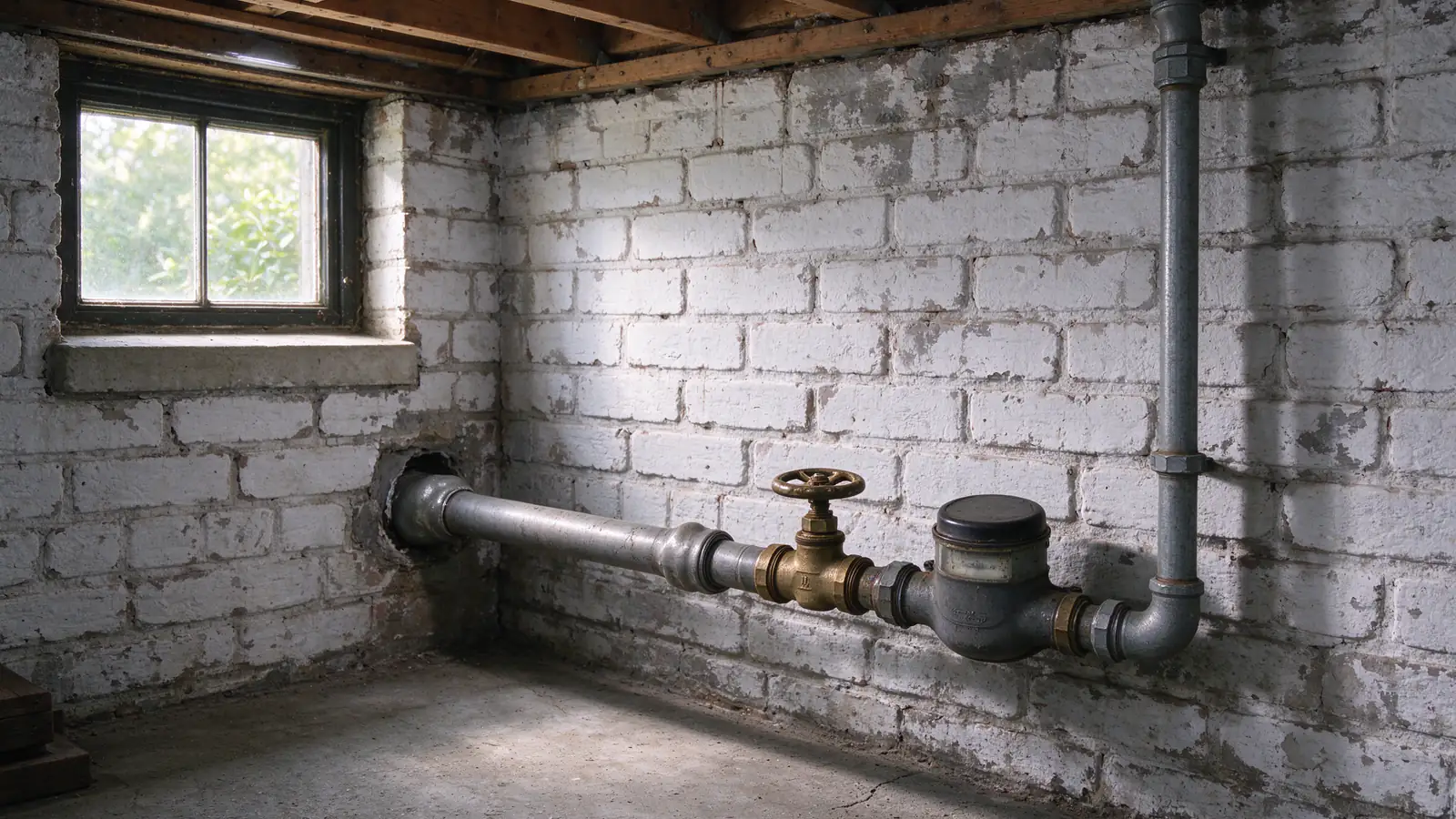
Chicago’s lead service line programs work in two ways: some take applications, and some come to you. The Equity program takes applications from income-qualified owner-occupants and processes them in the order received while funding lasts. The Homeowner-Initiated program works through the permit instead of a City queue: the owner hires a Chicago-licensed contractor, who flags the job for the fee waiver. Breaks and Leaks starts with a call to 311. None has a fixed annual deadline the City states.
Chicago Lake Repiping offers and manages lead service line replacement and the interior repiping that connects to it, across Chicago and nearby Cook County suburbs. The contractors who do the work can be hired for a private full replacement. This post explains how the City’s programs are entered, as Lead-Safe Chicago describes them.
The Equity program: an application and a queue
The Equity Lead Service Line Replacement Program replaces the full lead line, from the main to the home, at no cost to the owner, and includes a water meter. The City states that a full replacement is a $16,000 to $30,000 value.
Eligibility is narrow. The home has to be an owner-occupied house or two-flat, and household income has to be below 80% of the area median income. Priority goes to households with children 18 and under or with elevated lead results. The City provides the contractor, a City inspector checks the work and the Department of Water Management connects the new line to the main.
The program does not run on a dated application window. Lead-Safe Chicago says applications are processed in the order they are received and that the size of the program is limited by funding. In practice, that pattern means two things for an owner who qualifies: apply sooner rather than later, and check the program page for whether it is accepting applications before you do. An application starts a review. It is not a scheduled replacement date.
Homeowners report that the application paperwork can be confusing and that waiting for the City is hard to plan around, and the City’s long-range plan runs over decades. If the timing matters to you, for a renovation, a sale or a newborn, the private route below may fit better.
The Homeowner-Initiated program: a fee waiver, not an application
Under the Homeowner-Initiated program, the owner hires a plumbing contractor licensed in Chicago to remove the full existing lead line. The contractor notifies the Department of Buildings that the job is eligible for the fee waiver, and the City waives the permit fees, connects the new line to the main and provides a free water meter if the house has none.
The conditions matter:
- It covers residential buildings; commercial and mixed-use buildings are not eligible.
- It applies to a standalone lead service line job, not one bundled into a renovation or expansion. If you also plan an interior repipe, confirm with the Department of Buildings how to permit the two so the waiver is not lost.
- Other agencies’ fees can still apply.
- The replacement has to be full. Illinois law has required full lead service line replacement, public and private sides, since January 2023.
Homeowners report quotes from plumbers who could not explain how to get the permit waiver. Ask any contractor how they file it before you sign. The lead service line replacement cost guide covers the price side.
Weighing the City queue against a private replacement?
A walk-through at the meter shows what the service line is made of and how the interior would connect.
Breaks and Leaks: start with 311
When a lead service line leaks or breaks, the City says it is mandatory to call 311. Under the Breaks and Leaks program, which has run since January 1, 2023, the Department of Water Management replaces the line on both the private and public sides at no charge. The program covers the service line, not the house: leaks in interior plumbing more than two feet from where the service enters are not covered.
Programs that come to you
Two City programs need no application. Licensed daycares in prioritized neighborhoods are contacted by the Department of Water Management. Under the Block-Long program, lead lines affected by scheduled water main work on a block are replaced at no charge as part of that work.
In the suburbs
Suburban programs follow their own rules and timing. Evanston runs a private-side incentive pilot of a $2,500 reimbursement plus waived City permit fees, first come, first served, for a limited number of participants. Skokie caps the private-side cost at $3,090, payable on the water bill. Other suburbs, such as Oak Park, run their own replacement plans; see also Evanston and Skokie. Check with the village or city for whether a program is open and what it requires.
What none of the programs pay for
Every one of these programs stops at the house. Homeowners report that the City brings the new line only into the building: the interior connection from a new entry point, wall and plaster repair, and landscaping are on the owner. No City, state or federal program was found that pays for interior repiping.
That is worth planning for. The new service line decides where water enters, where the main shutoff and meter sit, and what the interior piping connects to. If the house also has galvanized supply pipe, coordinating the two avoids moving a shutoff twice. The guide to repiping after a lead service line replacement covers the sequence, and the galvanized requiring replacement guide explains the inventory label that can put a galvanized service line in the same category as lead.
Where to start
Find out what your service line is made of where it enters the basement; the galvanized pipes guide shows how to tell lead from steel and copper. If you qualify for Equity, apply through Lead-Safe Chicago. If you would rather set the schedule yourself, call the number on this page or use the estimate form to set up a walk-through for a private full replacement.