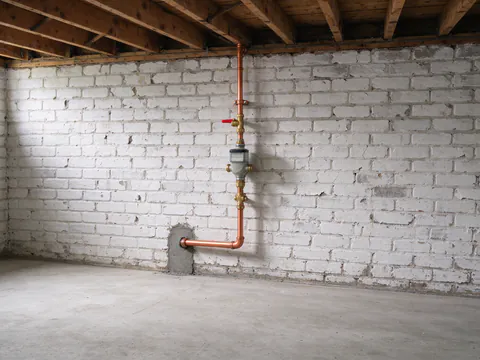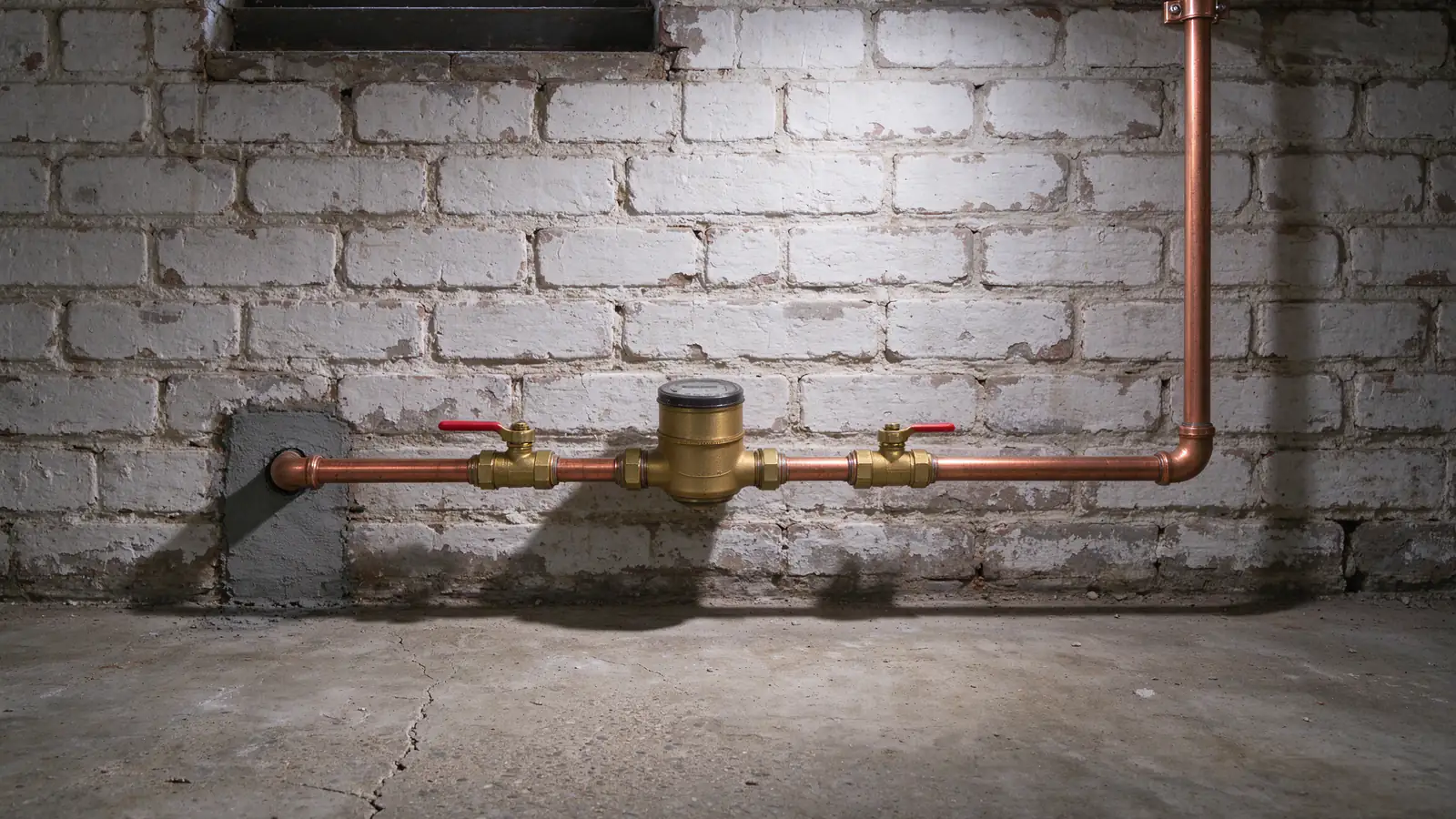
The City of Chicago describes a full lead service line replacement as a $16,000 to $30,000 value. Income-qualified owner-occupants can get one free through the Equity program, and a leaking lead line is replaced free under Breaks and Leaks. An owner who hires a contractor directly pays for the work, while the City waives the permit fees and connects the new line to the main.
No published range exists for what a private replacement costs in a given Chicago location, and the City’s figure is the only one this guide uses. Chicago Lake Repiping offers and manages lead service line replacement in Chicago and nearby Cook County suburbs: the licensed and insured plumbing contractors who do the work can be hired for a private full replacement. This guide sets out what the agencies publish, what the programs cover and leave out, and the scope a quote should spell out.
Chicago’s programs and what each one costs you
| Program | What you pay | What the City provides | Who qualifies |
|---|---|---|---|
| Equity | Nothing for the replacement | Full replacement from the main into the home by a City-provided contractor, plus a free water meter; the City puts its value at $16,000 to $30,000 | Owner-occupants of a house or two-flat with household income below 80% of the area median |
| Homeowner-Initiated | The contractor you hire | Permit fees waived; the City connects the new line to the main and provides a free meter if there is none | Residential homeowners replacing the full lead line as a standalone job; commercial and mixed-use buildings are not eligible |
| Breaks and Leaks | Nothing for the replacement | Full replacement, public and private sides, plus a meter, after a leak or break on a lead line | Any lead service line with a leak or break reported through 311 |
| Block-long replacement | Nothing for the replacement | Lead lines affected by scheduled water main work are replaced | Addresses on blocks with scheduled main work |
The details come from Lead-Safe Chicago, the City’s lead program site. Since January 2023, Illinois law has required full replacement of a lead service line, public and private sides together; a partial replacement is not an option.
Under Breaks and Leaks, the City’s page notes a limit worth knowing: if a leak is on the private side, the owner is responsible for hiring the plumber to repair it, and the City then schedules the full lead line replacement. Leaks in interior plumbing, meaning piping more than two feet from where the service enters the house, are not covered by City programs.
What sets the price of a private replacement
When you hire the work yourself, the price comes from the specific path between the main and your basement. These are the drivers a contractor weighs:
| Factor | Why it changes the price |
|---|---|
| Distance from the main to the house | The line runs from the main under the street, under the parkway and lawn, and through the foundation. A deep front yard or a main on the far side of the street adds length. |
| Open trench or trenchless | The City describes replacement by open trench or by trenchless methods. Trenchless methods disturb less of the surface; an open trench leaves more lawn and parkway to restore. |
| What sits on top | Parkway trees, walks, driveways, steps and landscaping each change the dig and the restoration. |
| The street | A state route can bring an IDOT permit and its fees, which the City says may still apply under the waiver. |
| Pipe size | Chicago’s code sets a 1-inch minimum water service; a narrow old line can be the low-pressure bottleneck. Going larger to feed a two-flat or a bigger fixture count adds material and can affect waiver eligibility; confirm with the Department of Buildings before choosing. |
| Entry through the foundation | The new line comes through the basement wall, which is cored or opened and then sealed. |
| Meter and shutoff | The City provides a meter if there is none. The shutoff at the entry and the setting for the meter are part of the job. |
| Interior hookup | The new copper has to connect to the piping inside. If the entry point moves, the reroute to the old main is extra pipe. |
Homeowners report calling a dozen or more plumbers before finding one who would take the job, and report that some contractors on approved lists did not understand how the fee waiver works. Ask any contractor to explain the waiver steps before you sign, and confirm the City plumbing contractor license; who can repipe in Chicago shows how.
What’s inside a Chicago lead service line replacement price
| Part of the price | What sets it | Agency figure or status |
|---|---|---|
| City-stated value of a full replacement | The City’s own program costs | $16,000 to $30,000, as the City describes a free Equity replacement (Lead-Safe Chicago) |
| City permit fees | Plumbing, water and public-way permits for the job | Waived under the Homeowner-Initiated program for a standalone full replacement (Lead-Safe Chicago) |
| Other agencies’ permits | Location of the home, such as a state route | May apply even with the City waiver; no published amount |
| Connection to the main | Water Management staff | The City connects the new line under the Homeowner-Initiated program |
| Water meter | Whether the building already has one | Free from the City if none is in place; the contractor installs it |
| Labor | Hours of excavation, pipe work and restoration | Plumbers in the Chicago metro earn a mean $46.36 an hour against $34.70 nationally, about 34% higher (Bureau of Labor Statistics) |
| Pipe | Material the code lists for a water service | Type K copper; the federal producer price index for copper and brass mill shapes rose about 30% over one recent year |
| Excavation method and surface restoration | Trench or trenchless, lawn, walks, parkway | No public figure. Scope to check on the quote |
| Basement entry and interior hookup | Foundation penetration, meter setting, reroute to the old main | No public figure. Scope to check on the quote |
| Interior piping beyond the connection | Material and condition of the pipe inside | Not covered by any program; a separate repipe decision |
A wage is not a billing rate. A contractor’s rate also carries insurance, licensing and bonding, equipment, vehicles and overhead, so it is not comparable with the wage figure. The wage gap is still the clearest public reason Chicago work costs more than national averages suggest.
Pricing a private replacement?
A look at the entry, the meter and the path to the street turns the City's figures into a scope for your address.
The work inside the house
Every program brings a new copper line into the building. What happens after the wall is where owners get surprised. Homeowners report that the City’s work ends at the basement: the new line arrives, a meter goes on, and the reroute from a new entry point to the old interior piping, the wall and floor repair and the landscaping are left to the owner. One owner put it simply after a free replacement: all they had to do was have the new copper ready in the basement to connect to.
If the house still has galvanized supply pipe, the new service now feeds old, narrowed pipe. That is the moment to decide whether the interior gets repiped, and the order matters for permits and for the fee waiver. The guide to repiping after a lead service line replacement works through that decision, and the main water line and shutoff page covers the valve at the entry.
Going private or waiting for the City
Homeowners ask whether to wait for a free replacement or pay privately. The City’s plan, as reported by public media, targets about 8,300 replacements a year and completion by 2076, so a line not in the Equity program or on a block with scheduled main work may wait a long time. Homeowners also report holding out for a leak so that Breaks and Leaks pays; that trades the cost of the job for an unscheduled failure in the yard.
While you decide, the City’s guidance is to run the water for at least five minutes after it has sat six hours or more, drink and cook only with cold water, clean faucet aerators regularly, and request a free lead test kit through 311. After any service line work, the City recommends filters certified to NSF/ANSI 53 for lead for the first three months. The guide to identifying your water pipes shows how to check the line at the meter.
Suburbs near Chicago
Suburban programs follow each town’s own rules, and the figures below are what each one publishes:
| Town | What it offers | Published figure |
|---|---|---|
| Evanston | Private-side replacement incentive pilot for lead or galvanized lines, limited to a set number of participants | $2,500 reimbursement plus waived City permit fees of about $450 (City of Evanston) |
| Skokie | Cost-share program for private-side replacement, financeable on the water bill | Owner’s private-side cost capped at $3,090, adjusted annually (Village of Skokie) |
| Oak Park | Published fee schedule for water service replacement; the contractor furnishes Type K copper and the Village makes the taps | Water service permit $250; new meter $475 (5/8 inch), $520 (3/4 inch) or $635 (1 inch) (Village of Oak Park) |
| Park Ridge | The City says all lead services are required to be replaced in Park Ridge by 2044 | No cost-share program found |
Program capacity and terms change, so each is confirmed with the town before work starts.
Getting to a number
A useful quote for a private replacement says how the line will be run, what size it will be, where it enters and where the meter sits, which permits are needed beyond the waived City fees, what restoration is included outside and inside, and where the new copper connects to the house piping. The lead service line replacement page describes the work itself, and the galvanized requiring replacement guide explains the inventory label if your address shows one. Call the number on this page or use the estimate form to set up a look at the entry and the path to the street.