For a Roseland homeowner with a leak in old supply pipe, the real choice is between fixing that section and replacing the system while the walls are open anyway. The answer depends less on the leak than on what the rest of the house is plumbed with, and on whether the owner plans to stay.
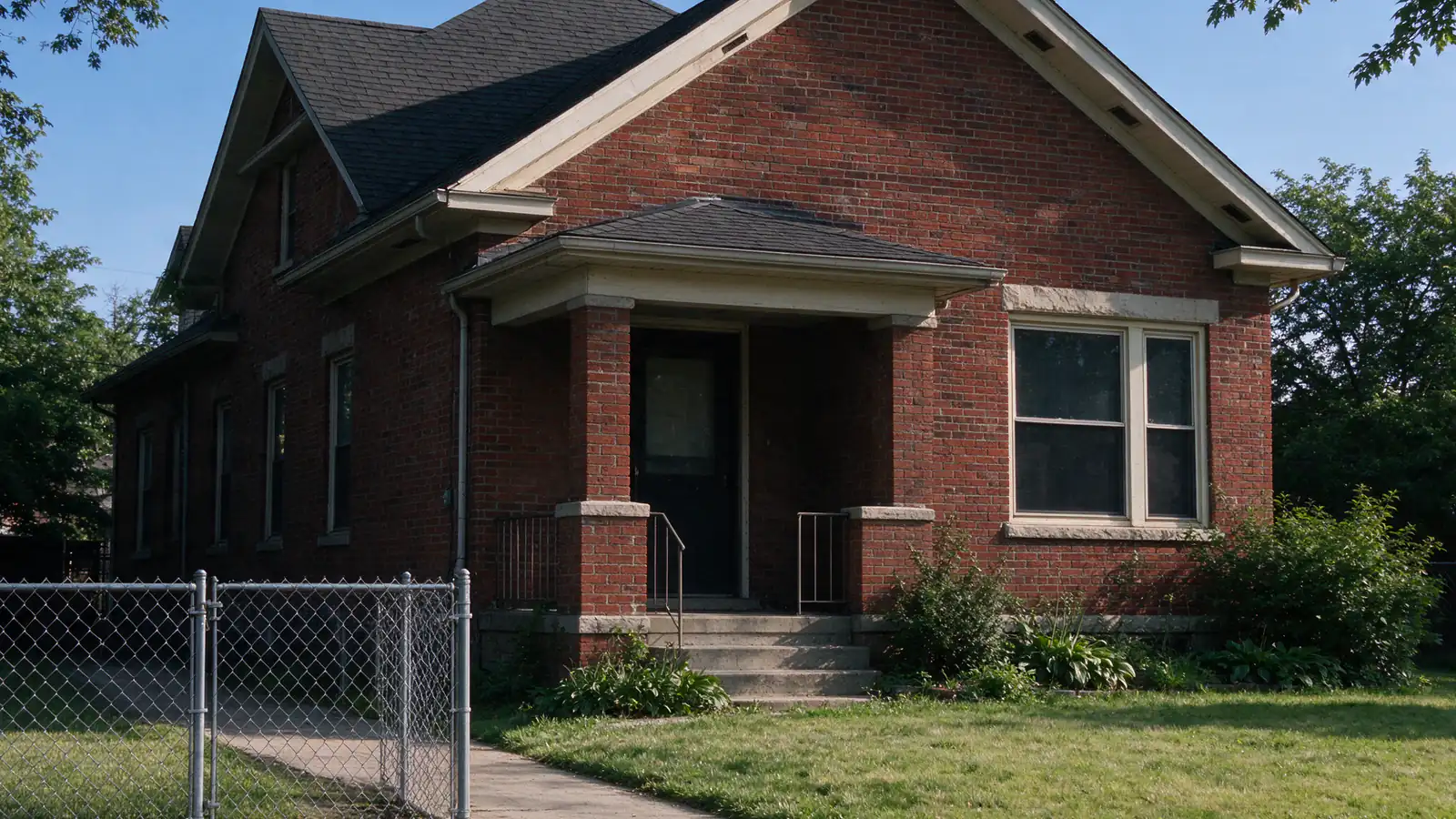
On the Far South Side that second question carries weight. In Roseland, 58.1% of housing units are detached single-family houses and 54.5% of occupied homes are owner-occupied. Chicago Lake Repiping offers and manages repipes for those houses, from partial repiping of one run to whole-house repiping in copper. Licensed and insured plumbing contractors holding a City of Chicago license carry out each job.
Fix the leak or replace the system
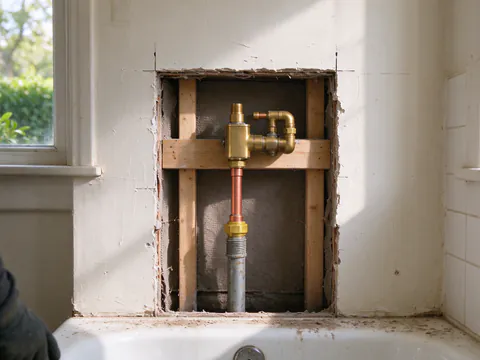
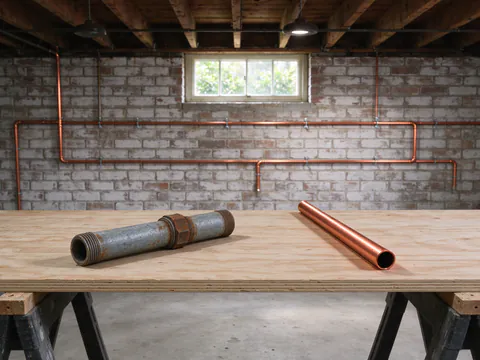
A spot repair cuts out the failed piece and splices in new copper. It is quick and it stops the water, but the steel on either side is the same age and has narrowed by the same amount. A partial repipe goes further, replacing a whole branch, floor or hot side, and draws a clear boundary where new meets old with a brass or dielectric transition. A whole-house repipe replaces every supply line from the main shutoff to the fixtures, so no galvanized section is left to fail next.
Which one makes sense comes down to what the walk-through finds. If the leak sits on the one remaining stretch of steel in an otherwise copper house, a repair or short partial is the honest answer. If the main, the trunks and the branches are all galvanized, a section repair buys time. Lining is a separate option; the repipe vs pipe lining guide covers what it does and does not change. The guide to whether repiping is worth it puts the decision in cost terms.
City permit records here show owners making the whole-system call. A 2023 Easy Permit for a Roseland address reads “repiping plumbing from galvanized to copper, no additional fixtures, all work same as existing, no floor plan alterations.” Another that year replaced galvanized water lines with copper in both units of a two-unit building and installed a 75-gallon water heater in the basement.
The water heater question
The water heater sits at the center of the hot side, and every repipe disconnects and reconnects it. That makes the repipe a natural moment to decide its future. A heater with years left stays and the new copper connects to it. One near the end of its life can be replaced during the same shutdown, which adds $75 to the City’s Express permit; the base fee for repairing or replacing piping in a single-family house is $150. Without a permit, the City’s stop work order penalty is $1,000 or more, and the permit fee is in most cases tripled.
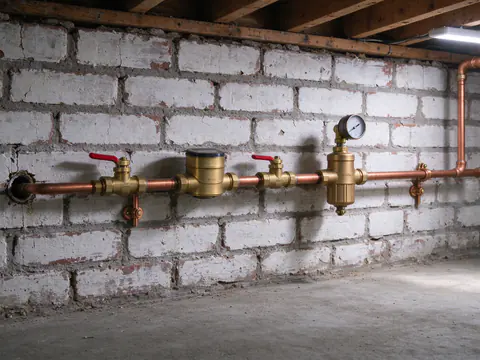
Pressure is the other thing checked at the heater and the main. A new pipe does not change the pressure the City delivers. Under Chicago’s updated code, for permit applications from December 1, 2026, a pressure-reducing valve is required where static pressure exceeds 80 psi; the walk-through reads static pressure at a hose bibb, so the quote says whether one is needed. Where the main shutoff itself is an old gate valve that no longer closes fully, replacing it is part of the same scope, since every later repair depends on being able to shut the house off. The main water line and shutoff replacement page covers the valves at the meter.
Roseland and the Far South Side around it
Roseland’s houses are a decade or so newer than Austin’s. The median year built is 1949, against 1941 in Austin, 33.0% of units predate 1940, against 38.8% citywide, and only 4.3% of units are in buildings of 20 or more, in the Census Bureau figures that the Chicago Metropolitan Agency for Planning compiles. A house of that period can have galvanized steel, early copper or both, and the basement shows which.
The neighboring community areas share the housing form and push it further. In Washington Heights, 74.4% of units are detached houses and 73.1% of homes are owner-occupied; in West Pullman the figures are 69.9% and 60.1%, with a median year built of 1953 in both. Their permit rates run high too: since January 2019, Washington Heights has the second-highest rate of permits explicitly replacing water supply piping among Chicago’s 77 community areas, at about 24 per 10,000 housing units, and West Pullman about 18. Roseland itself has 26 such permits, about 15 per 10,000 units, and 36 Express plumbing permits with piping work since late 2023. Counts record permitted work, not need.
From the 95th/Dan Ryan Red Line station south past the former Schlitz Brewery tied-house and stable on Front Avenue, the area runs across ZIP codes 60628, 60620 and 60619. Water comes from Lake Michigan through the City’s Department of Water Management, which adds corrosion control to coat pipe interiors.
Weighing a repair against a repipe in Roseland?
Start with a walk-through from the meter and main shutoff that shows what the rest of the house is plumbed with.
How a Roseland job runs
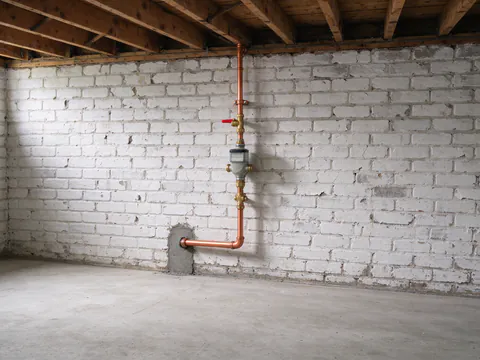
The first visit starts at the meter and main shutoff, where the service line material is noted. The City’s Lead-Safe Chicago site warns that pre-1986 houses are likely to have a lead service line unless it was swapped out in a renovation, and that line is a separate project with its own City water permit; the lead service line replacement page explains the City programs. Static pressure is read and flow is compared at the lowest and highest fixtures. The quote then lists the scope, where any old pipe stays, each wall and ceiling opening and who closes it, the working days and the water-off windows.
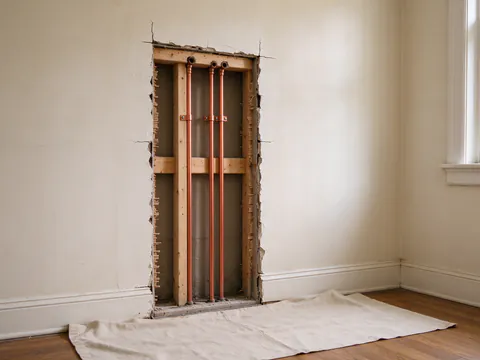
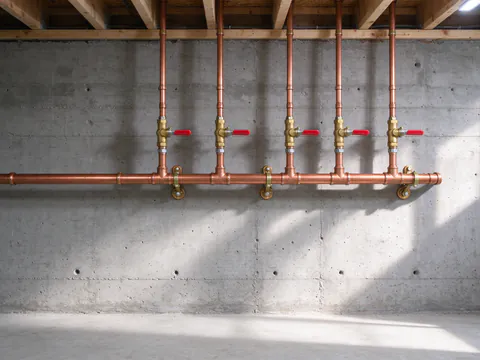
New copper runs from the main to each fixture group. In finished rooms the walls are opened in clean rectangles cut at fittings and turns, with tiled walls reached from the back where the layout allows. It is pressure tested before walls close and inspected by the City. Water is off only during cutovers. Afterward the system is flushed, aerators and screens are cleaned, and every shutoff is labeled. The living through a repipe guide covers the days in between, and the Chicago repipe cost guide shows how the price is built.